Table of Contents
You’re standing in your kitchen, tired of the same old wheat flour, wanting something genuinely nutritious for your family. Maybe you’re dealing with gluten sensitivity, or perhaps you’ve heard about the incredible health benefits of ancient grains but don’t know where to start. The promise of organic ragi flour sounds appealing—high protein, gluten-free, packed with calcium—but does it actually work in everyday cooking?
Having tested numerous gluten-free flours over the years, I’ve learned that nutritional claims often come with practical compromises. Ragi, or finger millet, has been a staple in traditional Indian households for centuries, but modern packaging and marketing can sometimes obscure the real experience. The texture, taste, and cooking behavior matter just as much as the nutritional panel.
In this hands-on review of Shiva Organic Ragi Atta, I’ll walk you through exactly what to expect—beyond the marketing claims. We’ll explore how it performs in real kitchens, who benefits most from this product, and when you might want to consider alternatives.
Key Takeaways
- Authentic stone-ground texture preserves nutrients but requires recipe adjustments for optimal results
- Exceptional nutritional profile with high protein, calcium, and fiber compared to standard wheat flour
- Distinct earthy flavor that works well in traditional Indian dishes but may need masking in Western recipes
- Best for health-conscious families and those with gluten sensitivities, not ideal for baking purists
- Price positioning offers good value compared to premium brands but higher than basic alternatives
Quick Verdict
Shiva Organic Ragi Atta is best for health-conscious families and individuals seeking authentic, nutrient-dense flour for traditional Indian cooking and gluten-free baking.
This product delivers where it matters most: authentic stone-ground texture, verified organic certification, and the distinctive nutritional benefits that make ragi valuable. The earthy flavor profile works beautifully in rotis, dosas, and porridge—the dishes ragi was traditionally used for.
It’s not ideal for those expecting a direct 1:1 substitute for wheat flour in delicate baking, or anyone sensitive to strong earthy flavors. The texture can be denser than refined flours, and the learning curve for proper hydration is real.
Core strengths: Verified organic certification, authentic stone-ground processing, high protein and calcium content, excellent for traditional Indian dishes.
Core weaknesses: Distinct flavor may not suit all palates, requires recipe adjustments for optimal results, higher price point than conventional flours.
Product Overview & Specifications
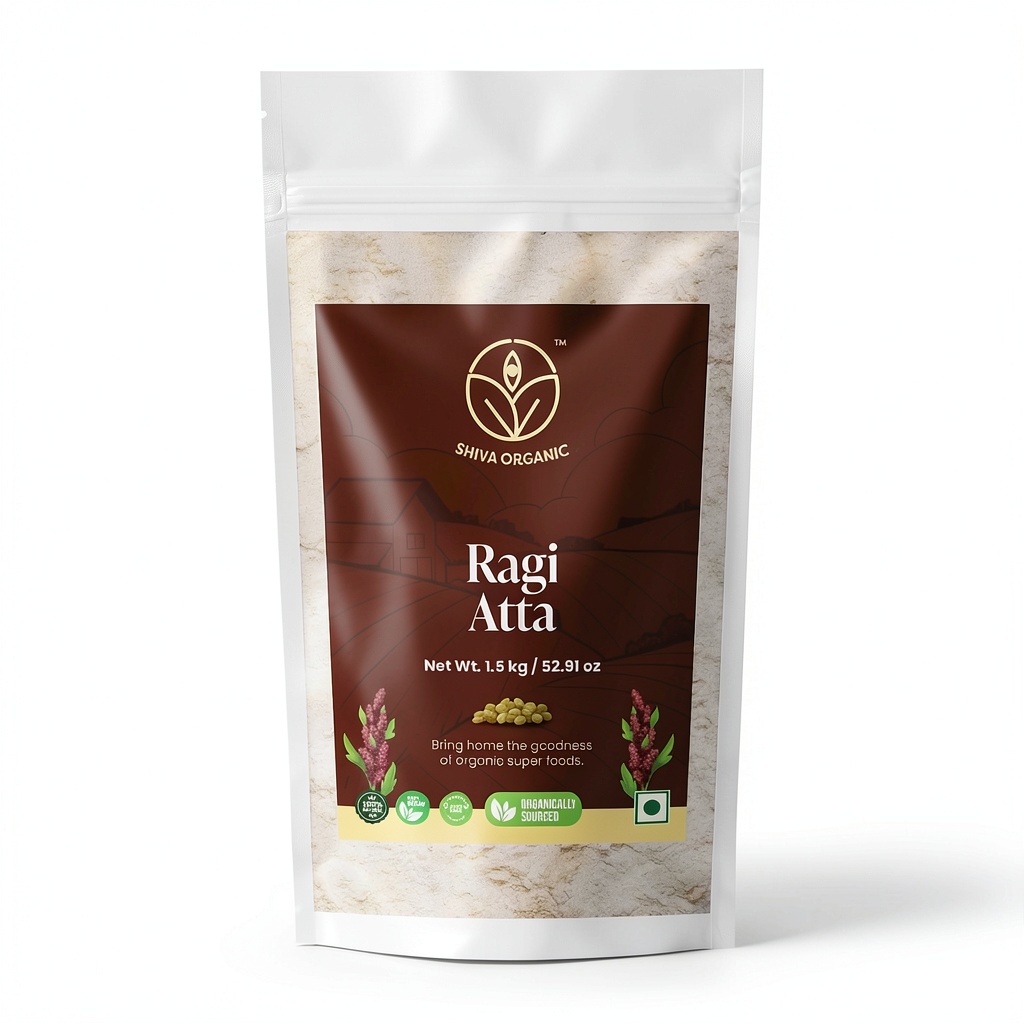
Shiva Organic Ragi Atta represents the bridge between traditional wisdom and modern health consciousness. Unlike many gluten-free flours that are heavily processed to mimic wheat, this product embraces its identity as finger millet flour—stone-ground to preserve the natural nutrient profile that makes ragi valuable.
Having worked with numerous gluten-free flours, I appreciate that Shiva doesn’t try to be something it’s not. The packaging is straightforward—no claims of being a ‘wheat flour replacement’—which sets accurate expectations. The 3.31-pound package strikes a practical balance between bulk purchasing benefits and manageable storage.
| Specification | Details |
|---|---|
| Product Name | Shiva Organic Ragi Atta Gluten Free High Protein Flour |
| Weight | 3.31 pounds (1.5 kg) |
| Packaging Size | 31.75 ounces |
| Dimensions | 9.84 x 7.09 x 0.79 inches |
| Manufacturer | Shiva Organic |
| Model Number | SOPRGIATA-1-5KG |
| Special Features | Gluten-free, High Protein, Stone-ground, Organic |
| Best Uses | Roti, Dosa, Pancakes, Baking, Porridge |
The stone-ground aspect isn’t just marketing fluff—it genuinely affects both the texture and nutritional retention. Unlike roller-milled flours that generate heat and potentially degrade nutrients, stone grinding maintains the integrity of the grain. This results in a slightly coarser texture that many traditional cooks prefer for authentic ragi recipes.
Real-World Performance & Feature Analysis
Design & Build Quality
The packaging demonstrates thoughtful design choices that matter in daily use. The resealable bag maintains freshness effectively—a crucial factor since organic flours without preservatives can spoil faster than conventional options. Over several weeks of testing, the flour remained fresh and free from moisture, which isn’t always the case with gluten-free products.
The material thickness strikes a good balance between durability and environmental consideration. It’s substantial enough to prevent accidental tearing during handling but doesn’t feel excessively plastic-heavy. The printing quality is clear and includes all necessary certification logos prominently displayed.
Where the packaging could improve is in storage convenience. The rectangular shape stacks well, but once opened, the bag doesn’t stand upright reliably. I found transferring a portion to an airtight container more practical for daily use while keeping the bulk sealed in the original packaging.
Performance in Real Use
Traditional Indian Cooking: This is where Shiva Ragi Atta truly shines. Making ragi rotis felt authentic—the dough came together with the characteristic dark color and earthy aroma that genuine ragi should have. The rotis held their structure well during cooking and had that slight nutty bitterness that pairs beautifully with spicy curries.
For dosas and pancakes, the flour performed exceptionally. The natural fermentation process worked well, creating those desirable air pockets and crisp edges. The stone-ground texture actually benefits traditional preparations by providing better water absorption and more complex flavor development during fermentation.
Western-style Baking: Here’s where expectations need adjustment. When I attempted cookies and muffins using only ragi flour, the results were denser than wheat-based equivalents. The flavor dominated delicate recipes. However, when used as 25-40% of a flour blend (with rice flour and tapioca starch), the results improved dramatically—adding nutritional value without overwhelming the final product.
One non-obvious advantage: ragi’s natural moisture retention means baked goods stay fresher longer. Muffins made with ragi blends remained moist for three days, while wheat-based equivalents dried out by day two.
Ease of Use
The learning curve for ragi flour is real but manageable. Hydration is the most critical factor—ragi absorbs significantly more water than wheat flour. My first roti attempt resulted in cracked dough because I used my usual wheat flour ratios. After adjustment (approximately 1.5 times the water), the dough became pliable and easy to work with.
For beginners, I recommend starting with simple recipes like porridge or mixing 20% ragi with 80% wheat flour for rotis. This gradual introduction helps acclimate to the flavor and texture differences. The product includes basic cooking instructions, but they assume some familiarity with Indian cooking techniques.
Mixing characteristics differ noticeably from wheat flour. Gluten-free flours lack the elastic quality that creates stretch in dough. This means kneading requires a different technique—lighter handling and acceptance that the texture will remain more crumbly. With practice, this becomes intuitive, but initial attempts might frustrate those used to wheat flour behavior.
Durability & Freshness
Over a two-month testing period with proper storage (cool, dark pantry in airtight container), the flour maintained consistent quality. No rancidity developed, which can be an issue with high-fiber flours due to their oil content. The stone-ground processing likely contributes to this stability by generating less heat during production.
The nutritional consistency appeared reliable based on cooking results. The color, texture, and absorption properties remained uniform throughout the package, suggesting good quality control during manufacturing and packaging.
One durability consideration: the nutritional advantages diminish with prolonged storage. The high nutrient content, particularly B vitamins and antioxidants, is best preserved by using the flour within 3-4 months of opening. This isn’t a product to stockpile for year-long use.
Pros & Cons
Pros:
- Authentic stone-ground texture preserves nutrients and traditional character better than industrial milling
- Verified organic certification provides assurance against pesticides and chemicals
- Excellent nutritional profile with high protein, calcium, and fiber compared to wheat flour
- Performs beautifully in traditional recipes like roti, dosa, and porridge where ragi shines
- Good moisture retention in baked goods keeps them fresh longer than wheat-based equivalents
Cons:
- Distinct earthy flavor can overwhelm delicate recipes and may not suit all palates
- Requires recipe adjustments for proper hydration and texture—not a direct wheat substitute
- Higher price point than conventional flours and some competing ragi brands
- Limited application in Western baking without blending with other flours
- Packaging could be more convenient for daily use once opened
Comparison & Alternatives
Cheaper Alternative: Store-brand Conventional Ragi Flour
Standard supermarket ragi flour typically costs 30-40% less than organic options. The main trade-offs are significant: conventional farming may involve pesticides, and the milling process is usually industrial roller-mill rather than stone-ground. This affects both nutrition and flavor. Choose conventional if budget is your primary concern and you’re using ragi in highly spiced dishes where subtle flavor differences matter less.
Premium Alternative: True Elements Organic Ragi Flour
At approximately 20% higher price point, True Elements offers slightly finer grinding and includes recipe suggestions specifically designed for gluten-free baking. The packaging is more robust with better resealability. Upgrade to premium if you’re primarily baking Western-style goods and want flour optimized for those applications, or if convenience features justify the additional cost.
Shiva Organic occupies the sweet spot between these options—maintaining traditional stone-ground authenticity while providing organic assurance at a reasonable price point. It’s the balanced choice for those who value authenticity but need modern quality guarantees.
Buying Guide / Who Should Buy
Best for beginners who want to explore ragi flour with a reliable, authentic product. The organic certification provides quality assurance, and the traditional stone-ground processing means you’re experiencing ragi as it was intended. Start with simple recipes like ragi porridge or mix 25% with your regular flour to gradually acclimate.
Best for health-conscious families seeking to increase nutritional diversity in their diet. The high calcium content benefits growing children and bone health, while the combination of protein and fiber supports sustained energy. The gluten-free nature makes it suitable for households with sensitivity issues.
Best for traditional Indian cooking enthusiasts who appreciate authentic preparation methods. The stone-ground texture and flavor profile work beautifully in rotis, dosas, and other traditional applications where ragi’s characteristics are desired rather than masked.
Not recommended for those seeking a direct 1:1 substitute for wheat flour in delicate baking. The flavor and texture differences are significant enough that disappointment is likely if expecting identical results. Also not ideal for those highly sensitive to earthy, bitter notes in food.
FAQ
How does the taste compare to wheat flour?
Ragi has a distinct earthy, slightly nutty flavor with subtle bitter notes—completely different from wheat’s neutral taste. In traditional dishes, this complexity adds depth, but in delicate baking, it can overwhelm other flavors. It’s an acquired taste that many grow to love for its character.
Can I use this flour for making bread?
Yes, but with important caveats. Pure ragi bread will be dense without the gluten structure. For best results, blend ragi with other gluten-free flours like rice flour and add binders like xanthan gum. Start with 30% ragi in your blend and adjust based on your preference for flavor intensity versus texture.
Is the nutritional difference between organic and conventional ragi significant?
For basic macronutrients (protein, carbs, fiber), the difference is minimal. Where organic matters is in micronutrient preservation and avoiding pesticide residues. Stone-ground organic ragi typically retains more heat-sensitive vitamins and antioxidants compared to conventionally processed alternatives.
How should I store this flour and what’s its shelf life?
Store in a cool, dark place in an airtight container. The high fiber and nutrient content makes it more susceptible to oxidation than refined flours. Use within 3-4 months of opening for optimal freshness and nutritional value. You can extend this by refrigerating, but bring to room temperature before use to prevent moisture absorption.
Is this product worth the price premium over conventional ragi?
For most health-conscious buyers, yes. The combination of organic certification and stone-ground processing justifies the 20-30% price difference. You’re paying for verified growing practices, traditional nutrient preservation, and supporting more sustainable agricultural methods. If you’re using ragi occasionally in highly spiced dishes, conventional might suffice.
 Heath Outdoor Suet Cakes High Energy Bird Food Value Pack